Choosing the right plastic pallet in 2026 is not as simple as comparing prices. Warehouse operations, supply chain performance, export regulations, sanitation requirements, and long-term ROI all depend on selecting the right pallet type. As more companies move away from wood, plastic pallets have become the preferred solution for businesses that want consistency, safety, and long-term efficiency.
This guide breaks down everything you need to know before purchasing plastic pallets in 2026. It includes pallet types, materials, sizes, load capacities, costs, and the best use cases for each category.
What Plastic Pallets Are Made Of
Most plastic pallets are made from one of two materials:
HDPE: High Density Polyethylene
- Strong impact resistance
- Excellent for cold storage
- Does not react with chemicals
- Long lifespan
PP: Polypropylene
- Higher rigidity
- Performs well in high temperatures
- Often used for heavy duty and racking pallets
Some pallets use recycled material blends that provide both performance and sustainability benefits.
Main Types of Plastic Pallets in 2026
1. Nestable Plastic Pallets
Designed with a bottom deck that nests into the pallet below it.
Best for:
- Export
- One way shipping
- Space saving
- High turnover logistics
Key benefit: Reduces warehouse storage space by up to 70 percent.
2. Stackable Plastic Pallets
These pallets have a full solid base that allows stable stacking.
Best for:
- Manufacturing
- Food and beverage
- Long term warehouse storage
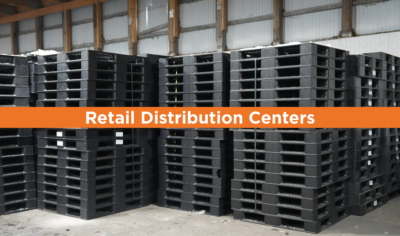
- Distribution centers
Key benefit: Load stability and compatibility with automated systems.
3. Rackable Plastic Pallets
Engineered to sit safely on warehouse racks without bending.
Best for:
- High bay racking
- Heavy products
- Production facilities
Key benefit: Safe, consistent racking performance that wood pallets cannot match.
4. Export Plastic Pallets
Lightweight, low cost, and ISPM 15 exempt.
Best for:
- International shipping
- Compliance sensitive shipments
Key benefit: No fumigation, no heat treatment, no regulatory delays.
Choosing the Right Pallet Size
In the United States, the most common pallet sizes are:
- 48 x 40 (industry standard)
- 45 x 48 (chemical and automotive industries)
- 40 x 48 (export friendly)
- 48 x 45 (consumer goods)
Your pallet size must match your equipment, forklifts, and storage systems.
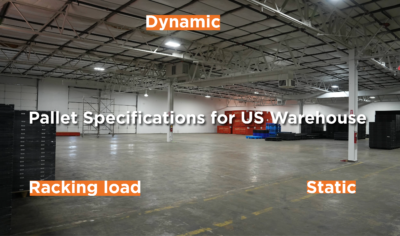
Understanding Load Capacities
Every plastic pallet has three load ratings:
Static Load
Weight supported by a pallet at rest.
Dynamic Load
Weight supported while being lifted or moved.
Racking Load
Weight a pallet can support on warehouse racks.
Choosing the wrong load rating leads to deflection, damage, and unsafe handling.
Cost Breakdown of Plastic Pallets in 2026
Plastic pallets cost more upfront but less over time.
What drives the cost
- Material type (HDPE is premium)
- Racking capacity
- Pallet weight and structure
- Durability and lifespan
Why plastic is cost effective
Most plastic pallets last 5 to 10 years. A wood pallet may last only one or two trips.
Best Use Cases for Plastic Pallets
- Food and beverage manufacturing
- Cold storage
- Pharmaceuticals
- Export shipping
- High volume warehouses
- Automation and conveyor systems
- Environments requiring hygiene and cleanliness
Final Takeaway
Plastic pallets offer consistency, durability, and long term ROI. When chosen correctly, they reduce warehouse problems and simplify global shipping. The companies that adopt the right pallet strategy in 2026 will outperform competitors in safety, efficiency, and compliance.