In many US logistics organizations, pallet purchasing decisions still focus on unit price. That approach often hides the true cost of pallets over time. In 2026, more operations teams are shifting toward a cost per trip model to evaluate plastic pallets versus traditional alternatives.
This article explains how to calculate cost per trip using real logistics variables and why plastic pallets often perform better when reuse and damage costs are considered.
What cost per trip actually means
A trip is one complete pallet usage cycle. This may include:
- Loading product
- Internal handling
- Transportation
- Unloading
- Return, reuse, or disposal
Wood pallets often have a short usable life, especially in high-throughput environments. Plastic pallets are designed for repeated use across many cycles.
Costs commonly overlooked
When calculating pallet costs, operations teams often miss:
- Labor spent re-palletizing damaged loads
- Product damage tied to pallet failure
- Cleanup and disposal labor
- Safety incidents related to splinters or nails
- Emergency pallet replacement during peak demand
Each of these adds to total cost even if it does not appear on a purchase order.
Building a simple ROI model
A basic cost per trip model includes:
- Pallet purchase price
- Expected number of trips
- Labor impact per trip
- Damage and rework costs
- Disposal or recycling costs
Cost per trip equals total cost divided by total trips.
When plastic pallets last significantly longer, their higher purchase price is spread across many more trips.
Real US distribution scenario
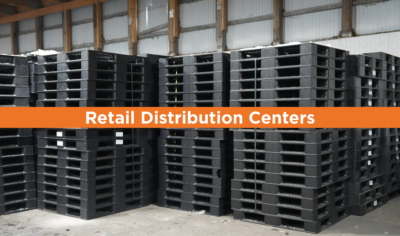
In a regional distribution center serving retail stores, pallets cycle weekly between warehouse and stores. Wood pallets frequently require replacement or repair after limited use.
Plastic pallets reduce replacement frequency, stabilize handling, and lower unplanned labor, improving predictability.
Data perspective on durability
Public sustainability and waste studies consistently show that reusable transport items with longer lifespans reduce material waste and handling requirements over time. While specific trip counts vary by operation, durability is a critical variable in total cost models.
When plastic pallets deliver the strongest ROI
Plastic pallets perform best in:
- Closed-loop systems
- High-frequency shipping lanes
- Facilities with damage-sensitive products
- Operations tracking labor and safety costs
Final takeaway
Cost per trip is a more accurate way to evaluate pallets in US logistics. When durability, labor, and damage are included, plastic pallets often deliver stronger ROI than alternatives, especially in reuse-heavy operations.