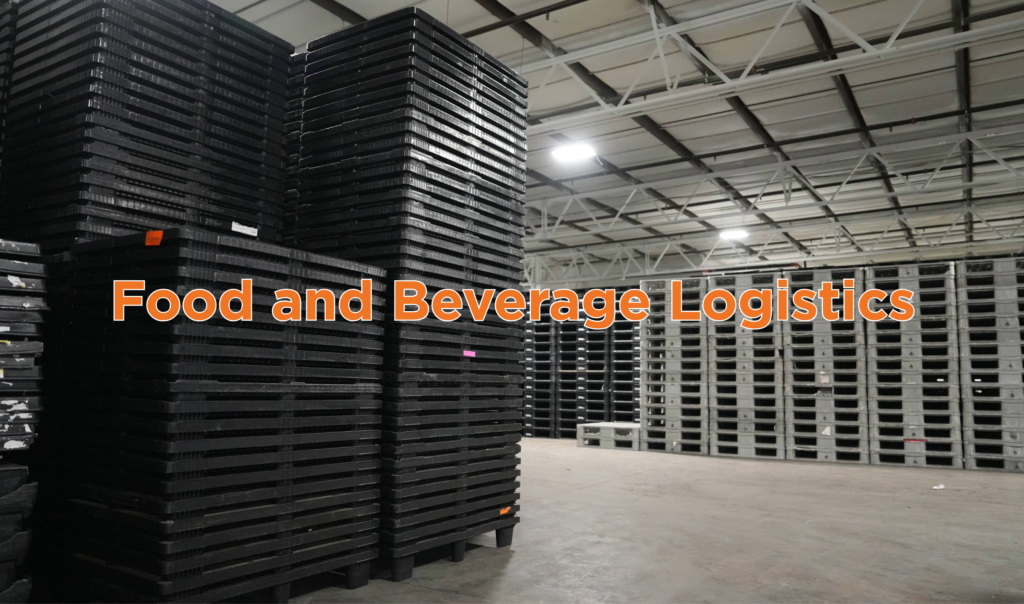
Food and beverage logistics operate under conditions that expose pallet weaknesses faster than any other segment. Cold storage, condensation, frequent washdowns, and strict sanitation expectations create challenges that traditional pallets struggle to meet.
In 2026, plastic pallets are increasingly used in US food and beverage logistics because they align better with hygiene and durability requirements.
Cold storage exposes pallet flaws
Cold storage environments introduce moisture and temperature cycling. Wood pallets absorb moisture, which can weaken boards and increase the risk of mold or contamination concerns.
Plastic pallets resist moisture and maintain structural integrity in refrigerated and frozen environments, reducing degradation over time.
Washdown and sanitation demands
Food facilities often require regular washdowns of floors and equipment. Pallets used in these environments must tolerate repeated exposure to water and cleaning agents.
Plastic pallets are designed for washdown compatibility and are easier to clean than wood pallets, which can trap debris and moisture in cracks and joints.
Product protection and contamination risk
Pallet failure in food logistics does not only cause delays. It can lead to:
- Product damage
- Contamination concerns
- Rejected loads
- Costly recalls
Plastic pallets provide smooth surfaces and consistent load support, reducing the risk of packaging tears and contamination.
Regulatory and audit pressure
Food logistics operations face ongoing audits and inspections. Cleanliness and housekeeping are closely evaluated.
Plastic pallets support audit readiness by:
- Reducing debris on floors
- Supporting easier visual inspection
- Maintaining consistent appearance
Real US distribution center scenario
In beverage distribution centers, pallets cycle repeatedly between bottling plants, warehouses, and retailers. High moisture exposure and heavy loads accelerate wood pallet failure.
Plastic pallets perform better under repeated cycles, reducing replacement frequency and rework.
Selecting the right plastic pallet for food logistics
Key considerations include:
- Deck design appropriate for sanitation needs
- Load rating for stacked beverage loads
- Compatibility with conveyors and palletizers
- Resistance to cold temperatures
Final takeaway
Food and beverage logistics place extreme demands on pallets. In US operations facing cold storage and washdown conditions, plastic pallets provide durability, cleanliness, and operational stability that wood pallets struggle to match.